
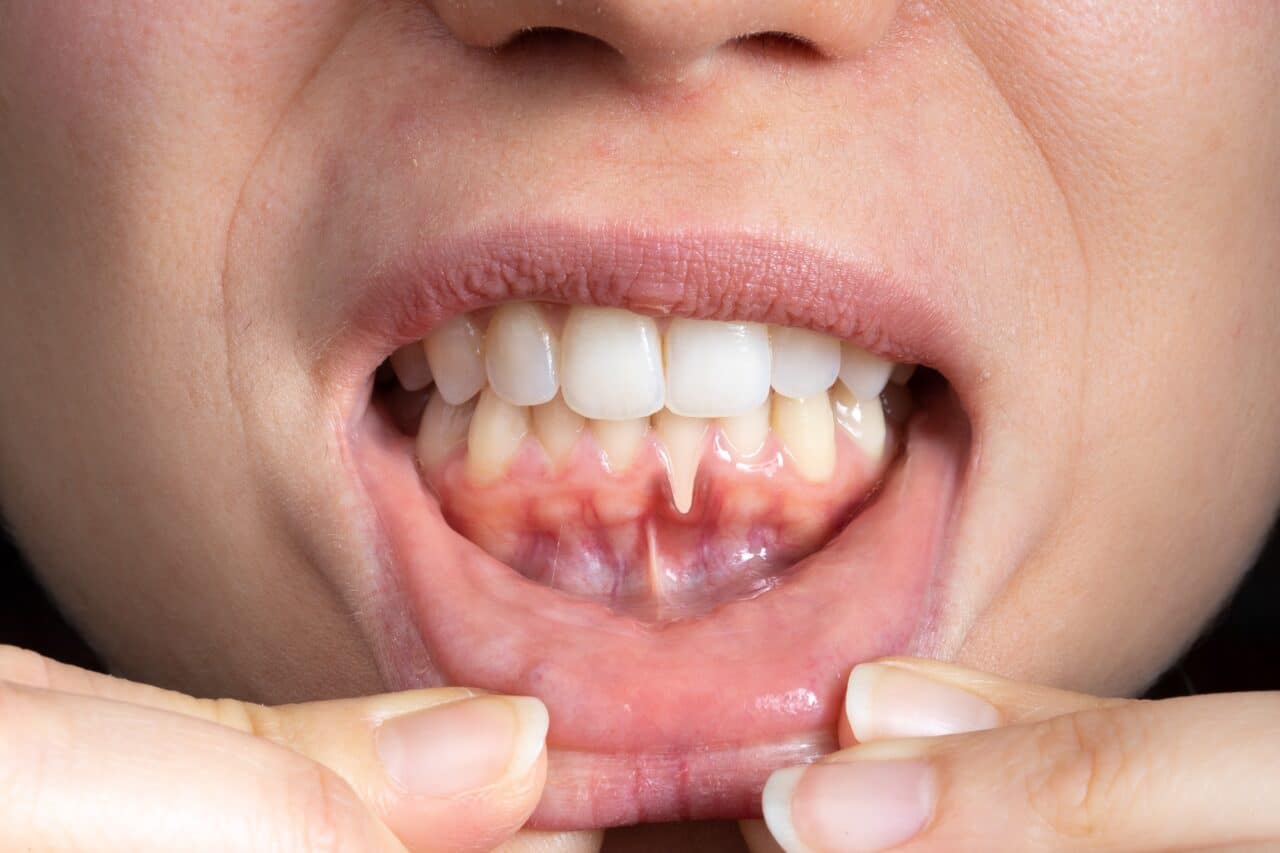
Have you noticed your teeth looking longer lately, or experienced sudden sensitivity when drinking hot coffee? These could be early signs of gum recession, a common dental problem that affects millions of people but often goes unnoticed until it becomes serious.
Gum recession occurs when the soft tissue that surrounds and protects your teeth gradually pulls away, exposing the tooth root beneath. Understanding how long it takes for gums to recede is essential because early detection can prevent significant damage and save you from costly dental procedures down the road. The concerning part is that gum recession doesn’t always cause pain, which means many people don’t realize it’s happening until substantial tissue loss has occurred.
The timeline for gum recession varies widely depending on several factors including your genetics, oral hygiene habits, brushing technique, and whether you have underlying gum disease. In some cases, recession develops gradually over months or years. In other situations, especially with aggressive brushing or untreated periodontal disease, the process can accelerate significantly. Beyond the cosmetic concerns, receding gums expose tooth roots and can lead to tooth sensitivity, increased risk of decay, and eventually tooth loss if left untreated.
This guide will walk you through everything you need to know about gum recession timelines, what causes it to progress, how to recognize early warning signs, and what treatment options can help restore your gum health. Whether you’re concerned about your own gums or looking to prevent future problems, understanding the progression and recovery timeline for gum recession will help you take action before serious complications develop.
How Long Does It Take for Gums to Recede?
Gum recession is a gradual process where gum tissue pulls away from teeth, exposing the roots beneath. Understanding the timeline for how long it takes for gums to recede is essential for protecting your dental health and preventing serious complications like tooth sensitivity and potential tooth loss.
According to Cleveland Clinic, “Recession usually develops gradually over months or years, but the timeline can vary depending on factors like oral hygiene, genetics, and use of proper brushing techniques.” However, the speed of recession depends on multiple contributing factors.
What Causes Receding Gums?
Several factors can accelerate gum recession. Common causes include:
- Periodontal disease and gum infection
- Aggressive brushing with hard-bristled toothbrushes
- Poor oral hygiene and plaque buildup
- Genetic predisposition to gum disease
- Teeth misalignment and grinding
- Tobacco use
- Hormonal changes
Age also plays a role, as gum recession becomes more common with advancing years, though it can affect people of any age.
Timeline for Gum Recession Progression
The speed at which gums recede varies significantly. In most cases, gum recession develops gradually over several months or years as a result of chronic poor oral habits or untreated gum disease. This gradual progression allows time for intervention before severe damage occurs.
However, LaneDDS notes that “Gum recession typically develops slowly, but in cases of acute trauma or aggressive brushing it can happen over a shorter period of time.” Severe cases caused by acute injury or aggressive mechanical trauma may show noticeable changes within weeks rather than months.
Early signs of receding gums include tooth sensitivity, longer-looking teeth, visible root surfaces, and red or swollen gums that bleed easily during brushing.
How Long Does It Take for Receding Gums to Heal?
Unlike other tissues in the body, lost gum tissue cannot naturally grow back on its own. However, treatment can halt further recession and stabilize your gums. The healing timeline depends on the treatment approach:
Non-Surgical Treatment
For mild gum recession caught early, improved oral hygiene and professional deep cleaning can prevent further damage. You may notice improvement in 2 to 4 weeks, with ongoing stabilization over several months with consistent care.
Surgical Graft Recovery
When gum recession is advanced, gum graft surgery may be necessary. The healing timeline includes:
- Initial recovery: 1 to 2 weeks (mild swelling and tenderness)
- Graft integration: 4 weeks to several months
- Full stabilization: 3 to 6 months for optimal results
Preventing and Managing Gum Recession
Early intervention is critical for protecting your gums. Take these preventive steps:
- Use a soft-bristled toothbrush and brush gently
- Maintain consistent oral hygiene with regular flossing
- Schedule dental checkups every 6 months
- Address teeth grinding or misalignment
- Quit smoking and tobacco use
- Treat underlying gum disease promptly
Professional treatments like scaling and root planing remove plaque and tartar buildup, helping stabilize gums and prevent further recession.
Common Misconceptions About Receding Gums
A widespread myth suggests that gum tissue can regrow on its own. In reality, lost gum tissue requires professional intervention such as graft surgery to restore coverage. Early treatment focuses on halting further loss rather than regrowing tissue.
Another misconception is that only poor hygiene causes recession. While inadequate oral care contributes, genetic factors, hormonal changes, and mechanical trauma from aggressive brushing also play significant roles.
Many people ignore early signs of recession because the condition is often painless in its early stages. By the time symptoms become noticeable, significant damage may have already occurred, making early professional detection crucial.
When to Seek Professional Help
If you notice signs of gum recession or have concerns about your gum health, contact a dental professional promptly. Early diagnosis can prevent progression and help determine the best treatment approach for your situation.
At Smile Vegas Dental, our experienced team can evaluate your gums, identify risk factors, and develop a personalized care plan to protect your dental health. Don’t wait for gum problems to worsen. Schedule your consultation today to learn how we can help you maintain healthy gums and a confident smile.

