
Have you ever left the dentist’s office with cleaner teeth but suddenly found yourself wincing at your morning coffee or ice cream? You’re not alone. Many people experience sharp, uncomfortable pain after a professional dental cleaning, leaving them wondering: why do my teeth hurt after the dentist?
This discomfort is surprisingly common, and in most cases, it’s temporary. When your dentist removes built-up plaque and tartar from your teeth and along the gumline, the cleaning process exposes sensitive layers beneath your enamel called dentin. Your gums may also experience mild irritation from the scaling tools used during the procedure. While this post-cleaning sensitivity typically fades within a few days, understanding what causes it and how to manage it can help you feel more confident about maintaining your oral health.
In this guide, we’ll explain why teeth hurt after dental cleaning, explore the factors that make sensitivity worse, and provide practical strategies to relieve discomfort and prevent it in the future. Whether you’re dealing with teeth pain after cleaning for the first time or searching for better solutions, this article will help you understand what’s happening in your mouth and when you should contact your dentist for additional care.
Why Do My Teeth Hurt After the Dentist Cleans Them?
Sharp pain when biting into ice cream or sipping hot coffee after a dental cleaning is a common complaint. If you’ve wondered why your teeth hurt after the dentist, you’re not alone. This temporary discomfort typically stems from the removal of plaque and tartar, which exposes sensitive layers beneath your enamel. Understanding the causes and knowing how to manage the pain can help you feel more confident about maintaining your oral health.
What Causes Teeth to Hurt After Dental Cleaning
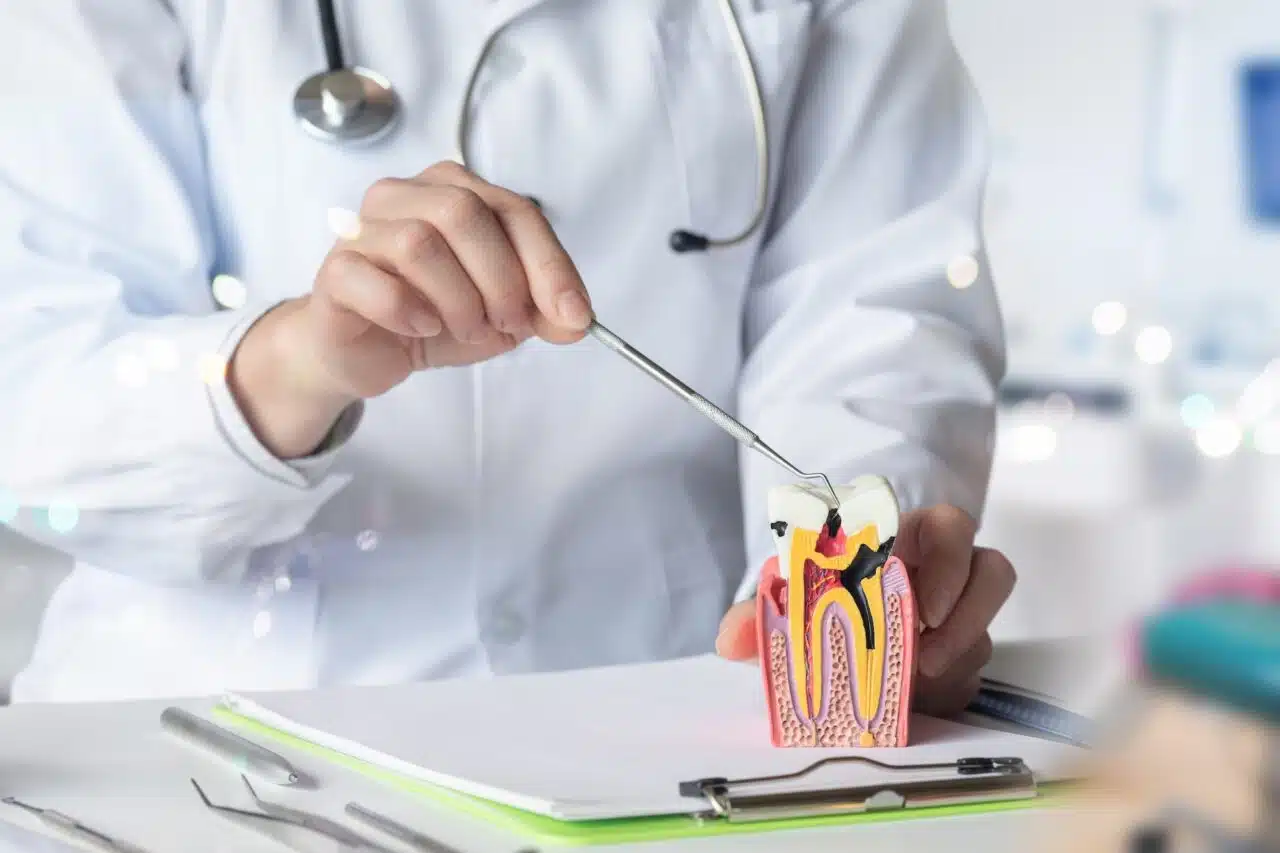
Several factors contribute to post-cleaning sensitivity and discomfort. The primary culprit is exposed dentin, the layer beneath your enamel. When plaque and tartar buildup is removed, these protective coverings are stripped away, revealing the sensitive dentin underneath. According to dental professionals, “after a dental cleaning, exposed root surfaces may react more intensely to cold, heat, or touch, resulting in discomfort or pain.”
Gum recession is another key factor. When gums pull away from teeth, unprotected root surfaces become exposed and react intensely to temperature and pressure. Temporary gum inflammation from cleaning tools irritating already swollen or plaque-heavy gums also contributes to overall mouth tenderness.
The interval between cleanings matters significantly. If tartar builds up substantially between visits, removing it causes more pronounced sensitivity. Additionally, existing issues like cavities, cracks, worn enamel, or bruxism (teeth grinding) amplify discomfort after cleaning.
Types of Cleaning That Increase Sensitivity
Routine polishing and flossing may irritate gums slightly, but deep cleaning procedures cause more soreness. Scaling and root planing, which targets below the gumline, can leave teeth and gums more tender than standard cleanings.
How to Relieve Teeth Pain After Dentist Cleaning
Managing post-cleaning sensitivity is straightforward with the right approach:
- Use a soft-bristled toothbrush and desensitizing toothpaste to avoid further irritation
- Rinse with fluoridated mouthwash or apply desensitizing gel to strengthen enamel
- Avoid hot, cold, acidic, and sugary foods and drinks for 24 to 48 hours
- Chew softer foods until sensitivity subsides
- Take over-the-counter pain relievers if gum swelling is significant
Professional and At-Home Solutions
Your dentist can apply fluoride treatments or varnish to seal exposed dentin and reduce sensitivity. For more severe cases involving gum recession, desensitizing gels, dental sealants, or gum grafting may be recommended. Maintaining proper oral hygiene at home with twice-daily brushing, daily flossing, and gentle technique prevents future buildup and sensitivity.
Common Myths About Post-Cleaning Sensitivity
Many people mistakenly believe that pain after cleaning means the dentist damaged their teeth. The reality is that discomfort is usually a temporary adjustment to your cleaner tooth surfaces. Another misconception is that all sensitivity is normal long-term. If pain persists beyond a few days or worsens, it may signal decay, infection, or fractures requiring X-rays and fillings.
When to See a Dentist for Lasting Pain
Persistent hot and cold sensitivity indicates potential enamel loss or decay, while cracks may require bonding or crowns. If you have genetic thin enamel or heavy tartar accumulation, your dentist can recommend tailored cleaning schedules or periodontal assessments to address underlying issues.
Frequently Asked Questions
How long should teeth hurt after cleaning? Usually 1 to 3 days as your mouth adjusts. Longer-lasting pain may signal recession or decay requiring professional evaluation.
Is tooth sensitivity after cleaning normal? Yes, mild sensitivity from exposed dentin and gums is common. However, severe or persistent pain warrants a dentist visit.
What if gums hurt after my dentist visit? Gum inflammation from scaling typically resolves with soft care and gentle rinses. Pain lasting over a week should be evaluated by your dentist.
Can I prevent pain after dental cleaning? Regular visits every six months, gentle brushing habits, and avoiding acidic foods and beverages reduce buildup severity and sensitivity risk significantly.
Managing Sensitivity for Long-Term Oral Health
Temporary teeth pain after dentist cleaning is manageable and often preventable through consistent oral care. By following the relief strategies outlined above and scheduling regular checkups, you can minimize discomfort while maintaining excellent dental health. If sensitivity persists beyond a few days or causes concern, contact your dentist for personalized care and solutions tailored to your specific needs.
At Smile Vegas Dental, we understand post-cleaning sensitivity and provide customized treatment plans to keep your smile healthy and comfortable. Contact us today to discuss your dental health and schedule your next appointment.

