
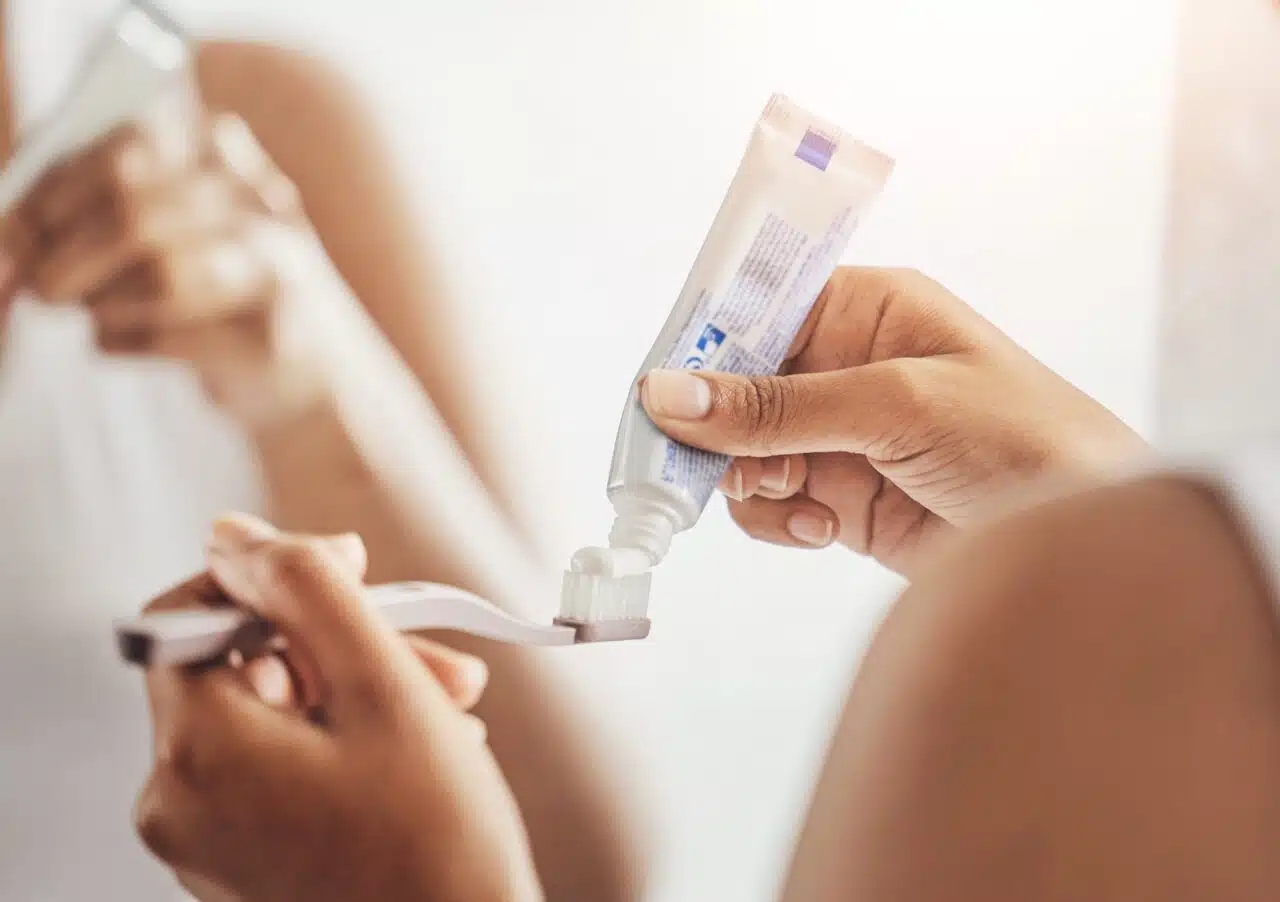
What happens if you leave toothpaste on your teeth overnight? It’s a question many people ask, hoping to maximize their oral health before bed. The answer isn’t simple because it depends entirely on what’s in your toothpaste and how your teeth respond to prolonged exposure.
Most of us follow the standard routine: brush, rinse, and move on. But emerging dental research and expert opinions suggest that leaving toothpaste on teeth overnight might offer real benefits like enhanced enamel protection and plaque control. At the same time, certain formulas carry genuine risks such as sensitivity, irritation, or fluoride overexposure that deserve attention.
This guide explores the science behind leaving toothpaste on teeth overnight, separates myth from fact, and reveals which products and practices actually work. You’ll discover when this habit strengthens your smile and when it causes harm, plus expert recommendations to help you decide if it’s right for your oral care routine.
Understanding Leaving Toothpaste on Teeth Overnight
How Toothpaste Works During Sleep
During nighttime hours, saliva production decreases significantly, leaving your teeth more vulnerable to bacterial growth and decay. This reduced protection window creates an opportunity for active toothpaste ingredients to work longer on tooth surfaces. Prolonged contact with fluoride or nano-hydroxyapatite (nHA) allows these components to penetrate enamel more deeply and strengthen it over extended periods.
The key insight from dental research is that fluoride works best when left undisturbed. As one source notes, “Fluoride is a key ingredient in many toothpastes, known for its ability to strengthen tooth enamel and prevent decay. Allowing fluoride to remain on the teeth overnight can extend its contact time, potentially enhancing its protective effects against cavities.”
General Safety Consensus
Whether overnight toothpaste use is safe depends entirely on the formula you choose. Non-abrasive, fluoride-free options like nano-hydroxyapatite toothpaste are generally considered safe for extended contact. However, toothpastes containing high fluoride levels or abrasive ingredients carry higher risks of sensitivity and enamel damage.
Dental professionals recommend the “spit, don’t rinse” approach. This practice retains protective ingredients on your teeth while avoiding excessive residue that could cause irritation.
Benefits of Leaving Toothpaste on Teeth Overnight
Enhanced Fluoride Exposure and Enamel Strengthening
Extended fluoride contact remineralizes weakened enamel, repairs microscopic damage, and prevents cavity formation. This extended exposure is particularly beneficial for individuals with early-stage decay or enamel erosion. The remineralization process strengthens tooth structure from within, creating a more resilient defense against future decay.
Plaque Control and Bacterial Suppression
Antibacterial agents like stannous fluoride continue working long after you brush. Research shows that “stannous fluoride remains on teeth and in saliva long enough to keep suppressing bacteria up to 12 hours post-brushing.” This extended protection reduces plaque accumulation and lowers your risk of gum disease and cavities.
Reduced Sensitivity and Whitening Effects
Desensitizing toothpaste compounds provide continuous relief when left on sensitive teeth overnight. Additionally, mild whitening agents and abrasives can gradually brighten your smile without the need for expensive professional treatments.
Risks and Drawbacks
Enamel Erosion from Abrasives
Highly abrasive toothpastes can wear down protective enamel when left on teeth for extended periods. This damage is irreversible and increases your susceptibility to decay and sensitivity. Always check the RDA (Relative Dentin Abrasivity) rating on toothpaste packaging, aiming for values below 70.
Gum Irritation and Tooth Sensitivity
Strong flavoring agents, harsh chemicals, and excessive residue can irritate soft gum tissue, causing redness, swelling, or increased tooth sensitivity. Using too much toothpaste amplifies these risks significantly.
Fluoride Overexposure Concerns
Swallowing toothpaste residue overnight increases fluoride ingestion, which can lead to dental fluorosis or disrupt your oral microbiome. For most people with healthy teeth, the additional overnight exposure provides minimal benefit beyond standard brushing routines.
Safe Practices for Nighttime Brushing
Choose the Right Toothpaste
Select nano-hydroxyapatite or other low-abrasive formulas specifically designed for sensitive teeth or overnight use. Avoid high-fluoride concentrations if you have difficulty not swallowing toothpaste. Nano-hydroxyapatite offers remineralization benefits without fluoride overexposure risks.
Brushing Routine
Use a soft-bristled toothbrush and brush for two minutes with gentle circular motions. Spit out excess toothpaste but skip rinsing to maximize the benefits of active ingredients. A pea-sized amount is sufficient; excess product only increases irritation risk without enhancing results.
Post-Brushing Habits
Avoid eating or drinking for 20-30 minutes after brushing to allow ingredients to fully penetrate enamel. If you must drink something, choose water only. This waiting period dramatically improves overnight protection and remineralization effectiveness.
Debunking Myths Around Overnight Toothpaste
Myth: It’s Always Harmful
The reality is more nuanced. Non-abrasive, properly formulated toothpastes benefit your teeth overnight, while abrasive formulas can cause damage. The type of toothpaste matters far more than leaving it on your teeth.
Myth: More Toothpaste Equals Better Results
Using excessive toothpaste actually increases risks of irritation and fluoride ingestion without improving outcomes. A pea-sized amount delivers optimal protection and active ingredient concentration.
Recommended Products and Alternatives
Toothpaste Types for Overnight Use
Nano-hydroxyapatite toothpaste stands out as the safest option for leaving on teeth overnight. This biocompatible mineral mirrors your natural tooth structure and remineralizes enamel without fluoride concerns. Stannous fluoride formulas like Oral-B Overnight Protect offer bacterial suppression benefits for those comfortable with fluoride exposure.
Supporting Tools
Invest in a high-quality soft-bristled toothbrush to minimize enamel damage. Consider professional fluoride treatments from your dentist for enhanced remineralization, especially if you have sensitivity or decay-prone teeth.
Expert Perspectives and Research
Dental professionals hold varying viewpoints on overnight toothpaste use. Some caution against extended fluoride exposure due to potential irritation, while others endorse the practice for sensitivity reduction and cavity prevention. The most important takeaway is this: “Leaving fluoride toothpaste on teeth overnight can strengthen enamel, control plaque, and promote fresher breath, but it also carries risks such as potential tooth sensitivity and gum irritation.”
Current research demonstrates that both nano-hydroxyapatite and fluoride facilitate enamel remineralization effectively. However, the added overnight benefit is modest for individuals with healthy teeth and established oral hygiene routines. Those with specific concerns like sensitivity or decay risk see the most significant improvements.
Consult your dentist about your individual needs before adopting overnight toothpaste practices. They can recommend formulations and routines tailored to your specific dental health profile.
Taking Action for Better Overnight Oral Care
Leaving toothpaste on your teeth overnight can strengthen enamel and improve oral health when you choose the right formula and follow proper techniques. Nano-hydroxyapatite offers the safest approach, while the “spit, don’t rinse” method maximizes benefits without excessive residue.
Your nighttime oral care routine deserves professional guidance. At Smile Vegas Dental, our experienced team can evaluate your specific dental needs and recommend personalized overnight care strategies. Whether you’re concerned about sensitivity, decay prevention, or enamel strengthening, we’re here to help. Contact us today to schedule your consultation and discover the best toothpaste and brushing approach for your unique smile.

