
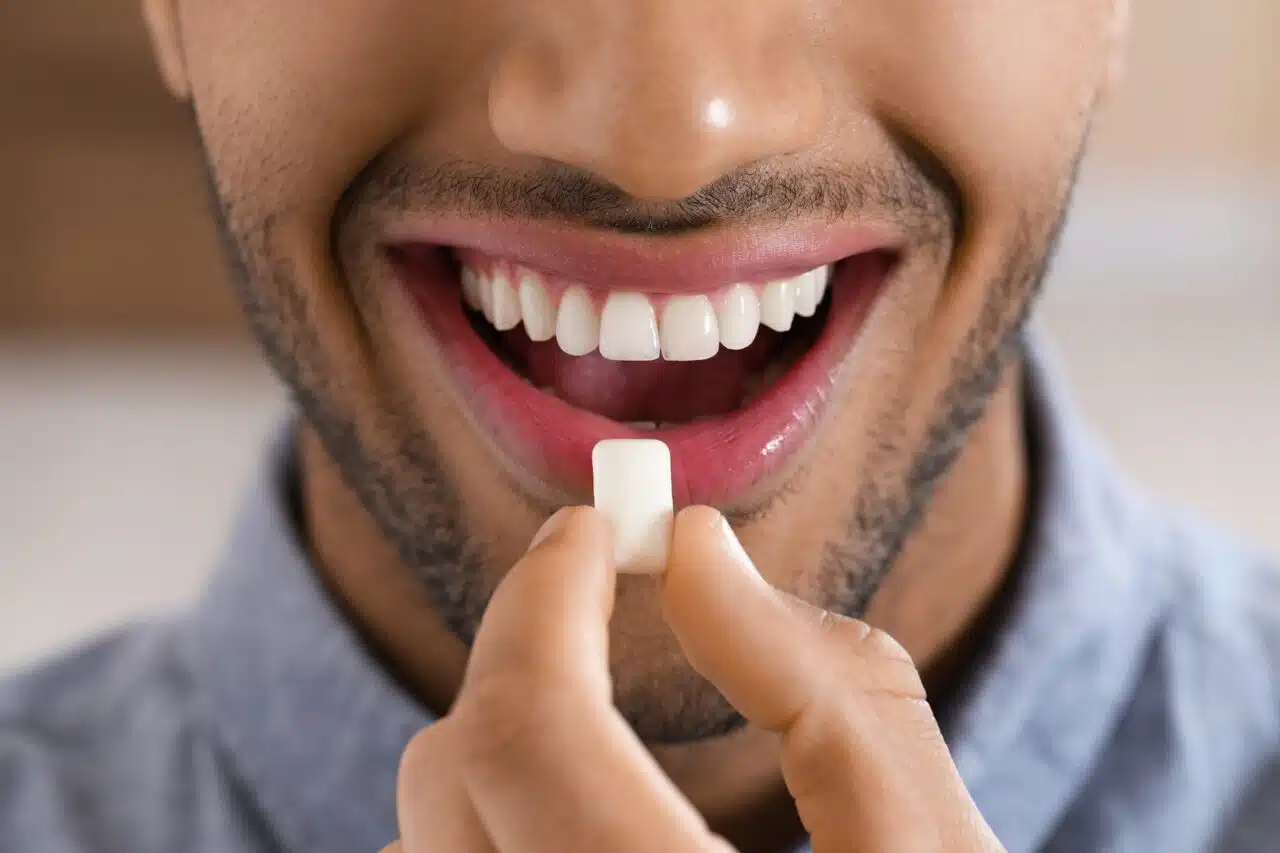
Have you ever wondered if that minty fresh feeling after brushing your teeth could be enhanced by popping in a piece of gum? It’s a common question that leaves many people uncertain about their oral hygiene routine. While brushing your teeth is a fundamental step in maintaining dental health, the decision to chew gum after brushing involves more nuance than you might think. With the American Dental Association highlighting the potential benefits of sugar-free gum on dental health, and research showing promising results for saliva stimulation and cavity prevention, it’s worth exploring whether you can chew gum after brushing your teeth – and more importantly, whether you should.
The Effects of Chewing Gum After Brushing Your Teeth
Chewing gum after brushing your teeth can actually provide several dental health benefits when done correctly. The key is choosing the right type of gum and understanding how it fits into your oral hygiene routine.
What Happens When You Chew Gum After Brushing?
When you chew sugar-free gum after brushing your teeth, it stimulates saliva production, which helps:
– Neutralize harmful acids
– Wash away remaining food particles
– Support tooth enamel remineralization
– Freshen breath naturally
Benefits of Sugar-Free Gum for Dental Health
Chewing sugar-free gum, especially varieties containing xylitol, offers several advantages for oral health:
– Increases saliva flow up to 10 times the normal rate
– Helps prevent tooth decay by neutralizing plaque acids
– Reduces bacteria that cause cavities
– Aids in removing food debris between teeth
– Provides relief from dry mouth symptoms
Best Practices for Chewing Gum After Brushing
Follow these guidelines to maximize benefits:
1. Choose only sugar-free gum with the ADA Seal of Acceptance
2. Chew for 20-30 minutes after meals or brushing
3. Look for gum containing xylitol as the primary sweetener
4. Avoid chewing excessively, especially at night
5. Never use gum as a replacement for brushing and flossing
Potential Risks and Considerations
While generally safe, be aware of these potential issues:
– TMJ problems from excessive chewing
– Tooth sensitivity with some artificial sweeteners
– Gastrointestinal discomfort in some individuals
– Possible jaw fatigue from nighttime chewing
– Risk of cavities if using sugared gum
Selecting the Right Gum
Look for these features when choosing gum:
– Sugar-free formulation
– ADA Seal of Acceptance
– Xylitol as a primary ingredient
– Non-acidic flavoring agents
– Reputable dental health brands
Common Myths About Gum and Oral Health
Let’s clear up some misconceptions:
– Myth: All gum is bad for your teeth
– Reality: Sugar-free gum can support dental health
– Myth: Gum can replace brushing
– Reality: Gum is a supplement to, not replacement for, proper oral hygiene
– Myth: Fruit-flavored gums are always safe
– Reality: Some fruit flavors contain harmful acids
Professional Dental Care
While sugar-free gum can support oral health, regular dental care remains essential. Schedule regular checkups with Smile Vegas Dental for comprehensive oral health maintenance and personalized advice about incorporating gum into your dental hygiene routine. Contact us to schedule your next appointment.

