
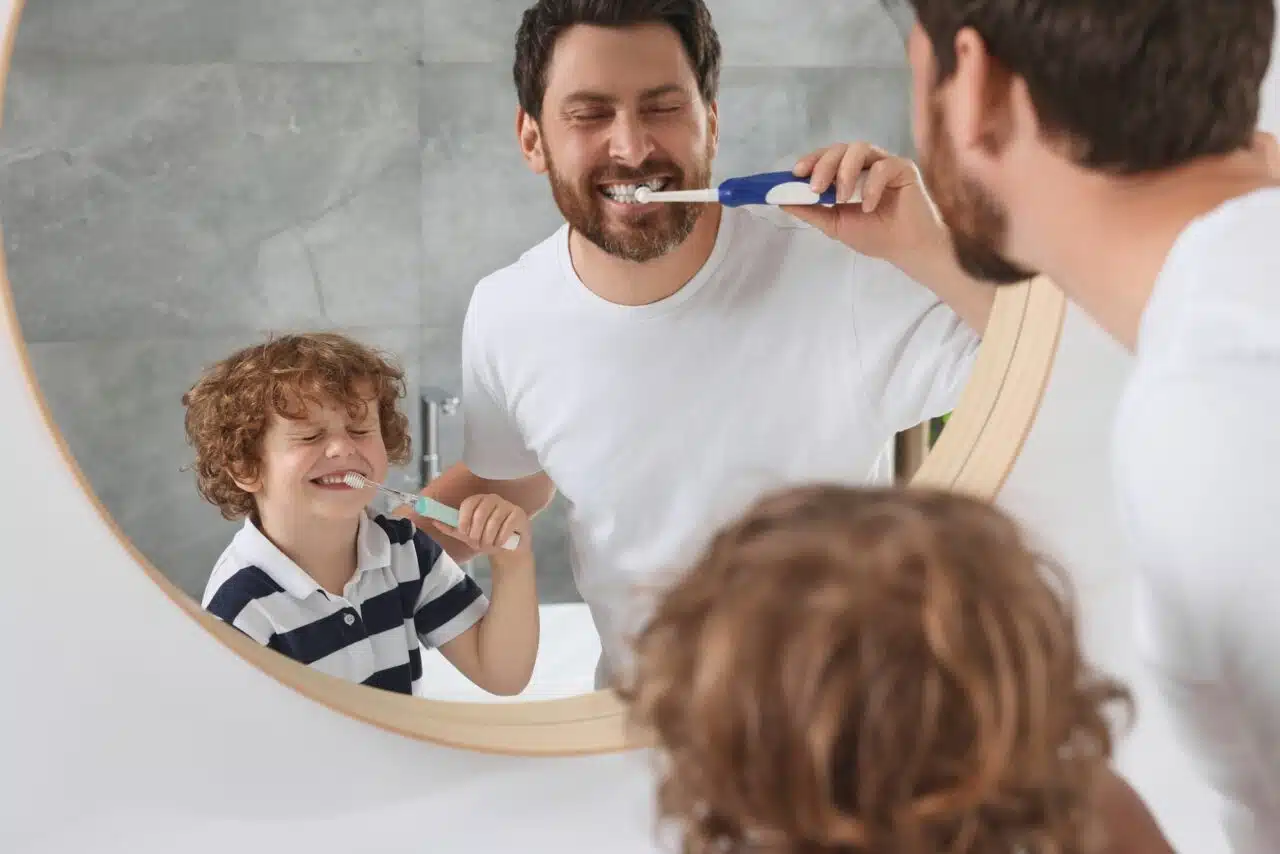
You’re in a rush, standing at the bathroom sink, and you realize you’ve run out of toothpaste. So you grab your toothbrush, turn on the tap, and wonder: will brushing teeth with just water actually work? It’s a question more people are asking, whether out of necessity, curiosity, or a growing interest in simpler oral care routines.
The truth is more nuanced than a simple yes or no. While water and a toothbrush can remove some plaque and food debris through mechanical cleaning, brushing teeth with just water doesn’t deliver the full protection that fluoride toothpaste provides. But there’s more to the story than meets the eye, especially when you explore related techniques like dry brushing or understand when water-only brushing might actually be appropriate.
This article takes an evidence-based look at what happens when you brush without toothpaste, how dry brushing compares, and whether you can maintain healthy teeth and gums without relying on traditional fluoride products. We’ll break down the science behind mechanical plaque removal, explore why toothpaste matters beyond just making your breath feel fresh, and give you practical guidance on when water-only brushing is a reasonable temporary solution and when you really do need to reach for the tube.
Whether you’re curious about minimalist oral hygiene hacks, forgotten toothpaste emergencies, or even brushing your dog’s teeth with just water, this guide will help you understand what your teeth actually need to stay strong and healthy.
Can You Really Brush Teeth with Just Water?
The Rising Trend of Minimal Oral Care
More people are questioning whether they truly need toothpaste to maintain clean teeth. Whether due to travel, forgetfulness, or a desire for simpler routines, brushing teeth with just water has become a common question. Understanding what water-only brushing can and cannot do helps you make informed decisions about your oral health.
Why People Ask About Water-Only Brushing
People wonder if brushing with just water works because mechanical cleaning with bristles alone removes visible food debris. However, effective oral hygiene involves more than just physical scrubbing. The question becomes: is mechanical plaque removal enough without toothpaste’s protective benefits?
How Toothbrushing Works and Why Toothpaste Matters
Mechanical Cleaning and Plaque Removal
Your toothbrush bristles physically disrupt dental plaque, the sticky biofilm where bacteria live. This mechanical action removes plaque and food particles from tooth surfaces. Water helps rinse away loosened debris, but water alone provides limited chemical disruption of plaque buildup.
The Role of Toothpaste Beyond Feeling Clean
Toothpaste does far more than create a fresh taste. Fluoride remineralizes enamel and helps prevent cavities by strengthening tooth structure. Mild abrasives and detergents lift plaque more effectively than bristles alone. Anti-microbial ingredients control bacteria growth, reducing bad breath and supporting gum health. According to dental professionals, toothpaste is essential not just for cleaning, but also for remineralizing enamel, something a dry brush simply cannot provide.
Understanding Key Brushing Methods
Brushing teeth with just water means using a toothbrush plus water but no paste. Dry brushing involves using only a toothbrush with no water or paste. Conventional brushing combines a toothbrush, fluoridated toothpaste, and water for complete protection.
Brushing Teeth with Just Water vs. Other Methods
What Water-Only Brushing Does and Doesn’t Do
Water helps rinse away loose debris and some bacteria from tooth surfaces. However, water-only brushing lacks fluoride protection, provides minimal chemical plaque disruption, and offers limited breath freshening compared to toothpaste. This method works as a temporary backup when you forget toothpaste but should not replace your regular routine.
Dry Brushing Teeth for Plaque Control
Research shows dry brushing can be effective for removing plaque when done properly. Dry bristles create more friction without being diluted by water or paste, allowing better plaque detection by your tongue. Some dentists recommend dry brushing first to detect stubborn plaque, then following with toothpaste brushing for complete protection.
Dry brushing benefits people with sensitive gag reflexes, pregnancy-related nausea, or aversion to toothpaste flavors. According to clinical findings, this method may decrease plaque, reduce gum bleeding, and help prevent gingivitis when combined with regular brushing routines.
Why Toothpaste Remains the Standard
Fluoride’s role in enamel protection and cavity prevention cannot be overstated. Toothpaste provides fresh breath, anti-bacterial benefits, and overall gum health support that water-only brushing cannot match. Most people find brushing without toothpaste unpleasant due to lack of flavor.
Special Situations for Water-Only Brushing
Water-only brushing serves practical purposes during travel, between meals, or emergency situations when toothpaste is unavailable. In hospital and ICU settings, distilled water brushing is used as part of oral care protocols for medically complex patients. Research shows that tooth brushing twice daily with distilled water reduced infection rates in ICU patients admitted for extended stays.
How to Safely Brush Teeth with Just Water and When to Use Dry Brushing
Brushing with Only Water: Step-by-Step
If you must brush with only water, follow these guidelines:
1. Choose a soft-bristled brush to protect your enamel and gums
2. Brush for at least two minutes, covering outer, inner, and chewing surfaces
3. Use gentle, circular motions along the gumline to avoid irritation
4. Thoroughly rinse with clean water afterward
5. Resume brushing with fluoride toothpaste as soon as possible
How to Dry Brush Effectively and Safely
Start with a clean, dry, soft toothbrush. Gently scrub along the gumline and between teeth, focusing on areas where you feel plaque buildup. Spit out loosened debris. You can optionally follow with toothpaste brushing for complete protection. Ideal times for dry brushing include before your regular morning or night routine, or as an added mid-day clean.
Integrating Water-Only Brushing Into Your Complete Routine
Use water-only or dry brushing as a supplement, not a replacement, for fluoride toothpaste. Add flossing or interdental cleaners to reach the 40 percent of tooth surfaces brushing misses. Consider mouthwash, tongue cleaning, and consistent twice-daily brushing with toothpaste as your foundation.
Long-term reliance on water-only brushing is not equivalent to a full fluoride-based routine. If you experience bleeding gums, sensitivity, or recurring bad breath, consult your dentist immediately.
Myths About Brushing Teeth with Just Water and Dry Brushing
Myth: Water Alone Is Enough
While water removes some food particles, it does not replace fluoride or provide thorough plaque removal. Water alone cannot remineralize enamel or prevent cavities as effectively as fluoride toothpaste.
Myth: Smooth Teeth Mean Clean Teeth
Glycerin and other ingredients in toothpaste create a smooth-feel illusion that doesn’t necessarily indicate cleanliness. Dry brushing lets your tongue better detect actual plaque buildup.
Myth: Dry Brushing Always Harms Enamel
The difference lies in technique and bristle softness, not whether water is present. Gentle dry brushing with a soft brush protects enamel, while aggressive scrubbing with stiff bristles causes damage.
Myth: Water-Only Brushing Equals Toothpaste Brushing
These methods differ significantly in plaque removal efficiency, enamel protection, breath freshness, and cavity prevention. Toothpaste provides multiple protective benefits water cannot deliver.
Essential Tools and Products for Optimal Brushing
Choosing the Right Toothbrush
Soft-bristled manual brushes work well for dry brushing or water-only brushing. Electric toothbrushes deliver more consistent mechanical plaque removal. Choose what feels comfortable and sustainable for your routine.
Toothpaste Options When You Want Alternatives
If you find conventional paste unappealing, consider low-foam or mild flavor toothpastes designed for sensitive users. However, prioritize fluoride content for cavity prevention and enamel protection.
What to Do If You Forget Toothpaste
Brush thoroughly with a clean toothbrush and water, focusing on all tooth surfaces and your tongue to reduce plaque and odor. This is a temporary solution until toothpaste becomes available. Rinse thoroughly with water afterward.
Complementary Tools Beyond Brushing
Brushing alone only cleans approximately 60 percent of tooth surfaces. Floss, interdental brushes, or water flossers clean between teeth and along the gumline where plaque hides. These tools are essential components of complete oral hygiene, not optional additions.
Expert Perspectives on Dry Brushing and Water-Only Brushing
What Research Shows About Dry Brushing
Research indicates that dry brushing effectively removes plaque when done properly. Following dry brushing with toothpaste brushing provides both enhanced plaque removal and fluoride protection. Some clinicians recommend this two-step approach for optimal results.
Special Populations Who Benefit Most
People with strong gag reflexes, pregnant individuals experiencing nausea, and those with aversion to toothpaste flavors benefit from dry brushing flexibility. Hospital patients on ventilators use distilled water brushing protocols as part of infection control measures.
Balancing Minimalism With Protection
You can adopt a low-product oral routine without sacrificing enamel and gum health. Consult your dentist before making significant changes to your brushing approach to ensure your teeth and gums remain protected.
Should You Brush Teeth with Just Water? Final Answer and Next Steps
Water-only brushing works as a short-term backup or supplementary clean when toothpaste is unavailable. It should never become your permanent replacement for brushing with fluoride toothpaste. Evaluate your current routine: are you relying too heavily on water-only brushing? Consider adding dry brushing and daily flossing for better plaque control. Schedule a dental check-up to personalize your brushing approach based on your individual needs.
If you want professional guidance on optimizing your oral hygiene routine, the team at Smile Vegas Dental can help you develop a personalized plan that balances simplicity with comprehensive tooth protection.
Frequently Asked Questions About Brushing Teeth with Just Water
Can you brush your teeth with just water?
You can use a toothbrush and water to mechanically remove some plaque and food debris. However, it does not provide the fluoride and protective benefits of toothpaste, so it should be temporary or supplementary rather than your main routine.
Can I just brush my teeth with water every day instead of using toothpaste?
Daily water-only brushing misses enamel-strengthening and cavity-preventing fluoride benefits and may not effectively control plaque, gum inflammation, or bad breath. Dentists recommend toothpaste for regular brushing

