
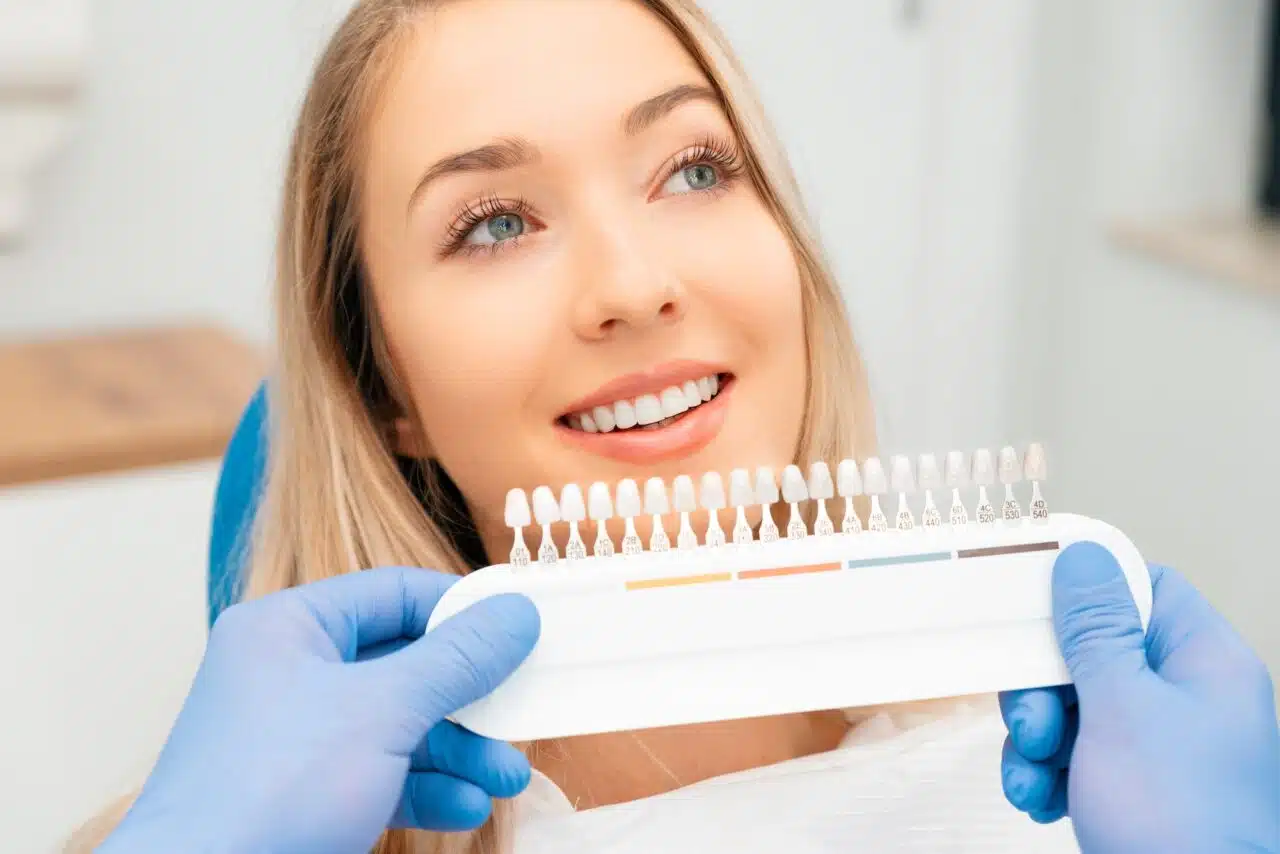
Everyone wants a brighter smile, but many people worry about the cost to their teeth. Does teeth whitening harm enamel? It’s a question that keeps millions from pursuing the smile they want. The truth is more nuanced than a simple yes or no. Teeth whitening treatments can deliver dramatic results, but they do come with real risks if not done carefully. This article explores the safety of teeth whitening on tooth enamel by examining what dental research actually shows. We’ll break down how whitening works, what damage can occur, and most importantly, how to protect your enamel while achieving a brighter smile. Whether you’re considering professional whitening or over-the-counter strips, understanding these facts will help you make an informed decision about your dental health.# Does Teeth Whitening Harm Enamel? A Complete Safety Guide
What Is Tooth Enamel and How Does Teeth Whitening Work?
Enamel as Your Protective Shield
Tooth enamel is the hardest substance in your body, serving as a non-regenerating protective layer against decay and sensitivity. Once damaged, enamel cannot repair itself, making its protection essential for long-term oral health.
The Teeth Whitening Process
Professional teeth whitening uses hydrogen peroxide or carbamide peroxide bleaching agents that penetrate the enamel to oxidize stains embedded in the dentin layer beneath. This process causes temporary dehydration of the tooth, followed by rehydration through saliva once treatment ends. The answer to whether teeth whitening harms enamel is generally no when done correctly, as the agents penetrate but do not strip away enamel structure.
Does Teeth Whitening Damage Enamel? Understanding the Risks
Temporary Effects on Enamel
Whitening treatments can temporarily increase enamel porosity, cause minor roughness, and lead to dehydration. These effects are reversible as minerals lost during treatment are restored naturally through saliva and proper post-care. Sensitivity during this period is common but typically subsides within 24 to 48 hours.
Potential Harm to Dentin and Deeper Layers
High concentrations of peroxide can irritate the dentin fibers beneath enamel, potentially breaking down collagen proteins inside dentin. Researchers have discovered that hydrogen peroxide irritates these internal fibers, which increases tooth sensitivity afterward. Extended exposure risks permanent dentin exposure and hypersensitivity through exposed dentinal tubules.
Long-Term Concerns with Overuse
Excessive whitening can lead to enamel thinning, demineralization, and erosion over time. Aggressive bleaching protocols reduce enamel crystallinity and increase demineralization risk. Overuse may cause teeth to appear translucent as enamel becomes more permeable, revealing the yellowish dentin underneath.
Safe Teeth Whitening: Protecting Enamel During Treatment
Choose Professional or Controlled Products
Opt for dentist-supervised in-office bleaching with measured peroxide levels rather than unregulated over-the-counter options. Professional whitening allows dentists to monitor your enamel health and adjust concentrations based on your tooth sensitivity and condition.
Pre- and Post-Whitening Care
Before whitening, use fluoride toothpaste to strengthen enamel. After treatment, maintain hydration to support saliva’s natural remineralization process. This helps restore minerals lost during bleaching.
Post-Treatment Habits
Avoid staining foods and acidic beverages for 24 to 48 hours while enamel rehydrates. This waiting period allows your teeth to stabilize and reduces sensitivity risk.
Common Myths About Teeth Whitening and Enamel Damage
Myth: All Whitening Strips Destroy Enamel
Over-the-counter whitening strips are safe for short-term use, but damage risks increase significantly with overuse or excessively high concentrations. Professional guidance helps determine appropriate frequency.
Mistake: Ignoring Sensitivity Signals
Continued whitening despite persistent pain indicates dentin stress. Pause treatment immediately and consult your dentist before resuming.
Permanent Translucence from Frequent Bleaching
Repeated aggressive whitening increases enamel permeability, making teeth appear more translucent as dentin becomes more visible.
Recommended Products and Professional Guidance
Enamel-Safe Tools and Products
Use sensitivity toothpaste containing potassium nitrate, fluoride mouthwash for remineralization, and dentist-approved whitening trays with controlled concentrations.
When to Seek Professional Help
Consult your dentist if you have thin enamel, gum recession, or persistent sensitivity issues. The American Dental Association (ADA) recommends professional moderation and personalized treatment plans based on your individual needs.
Research Insights on Enamel Microhardness
Recent dental research shows that aggressive whitening protocols reduce enamel crystallinity and increase demineralization risk. Short-term, appropriately-dosed whitening avoids prolonged dentin harm, while excessive use can compromise both enamel and underlying dentin structure.
Frequently Asked Questions
Does teeth whitening harm enamel? No, when done correctly. Whitening temporarily dehydrates enamel but does not damage its structural integrity.
Can teeth whitening harm enamel and dentin long-term? Overuse can lead to thinning and erosion, but professional guidance minimizes these risks significantly.
How do I reduce sensitivity after whitening? Use fluoride products, stay hydrated, and avoid temperature extremes for 48 hours post-treatment.
Is professional whitening safer than over-the-counter options? Yes. Professional whitening uses controlled concentrations under dental supervision, reducing side effects compared to unsupervised OTC overuse.
Conclusion
Teeth whitening is generally safe for your enamel when used properly and under professional guidance. While temporary side effects like sensitivity and minor demineralization can occur, permanent damage is preventable through moderation and appropriate post-care. The key is choosing dentist-supervised treatments, following care instructions, and avoiding excessive bleaching. For a personalized whitening plan that protects your enamel while achieving a brighter smile, contact Smile Vegas Dental today to schedule your consultation.

